Sá Rosas, S.A.
175 years of family tradition in cork
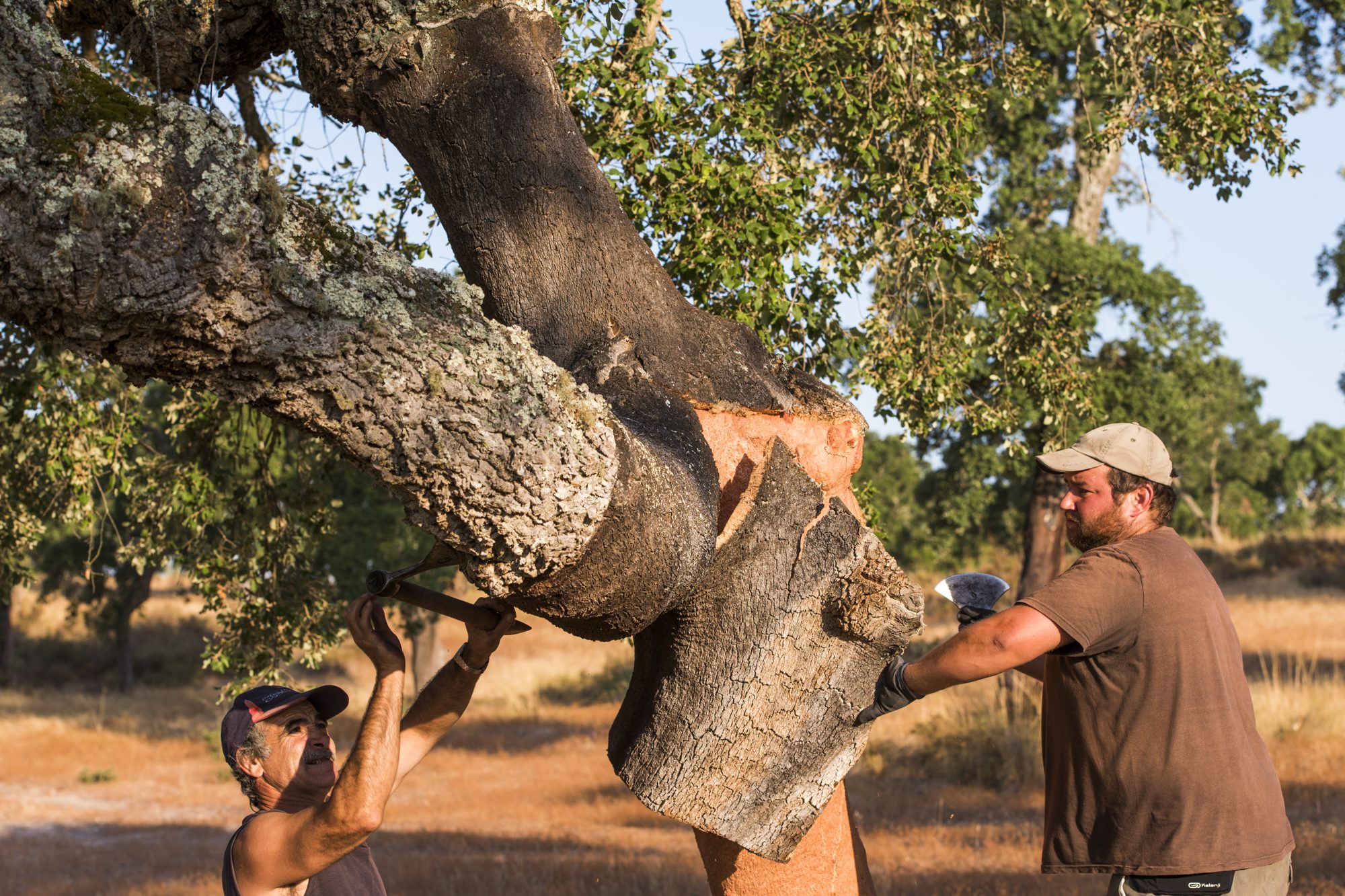
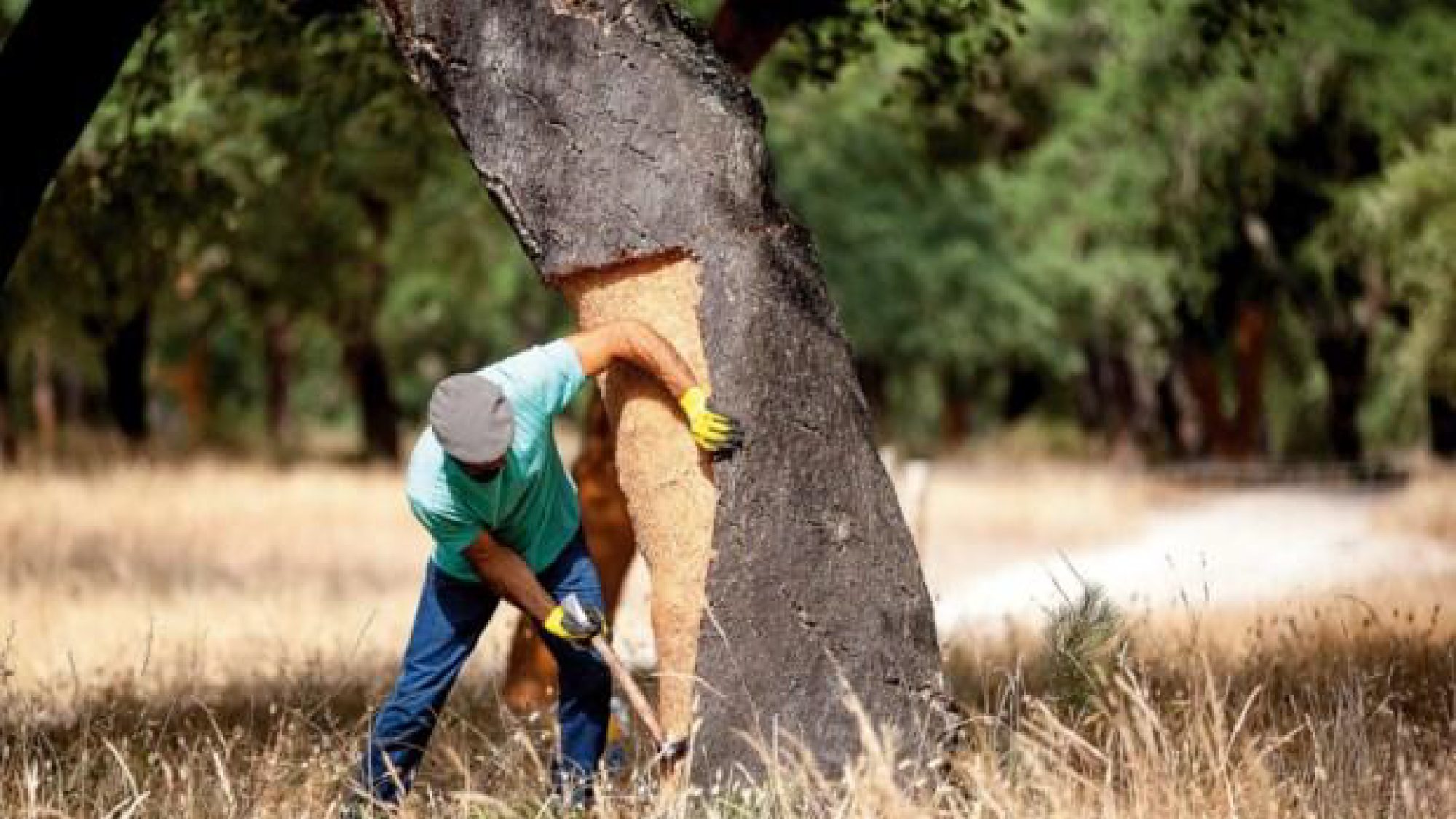
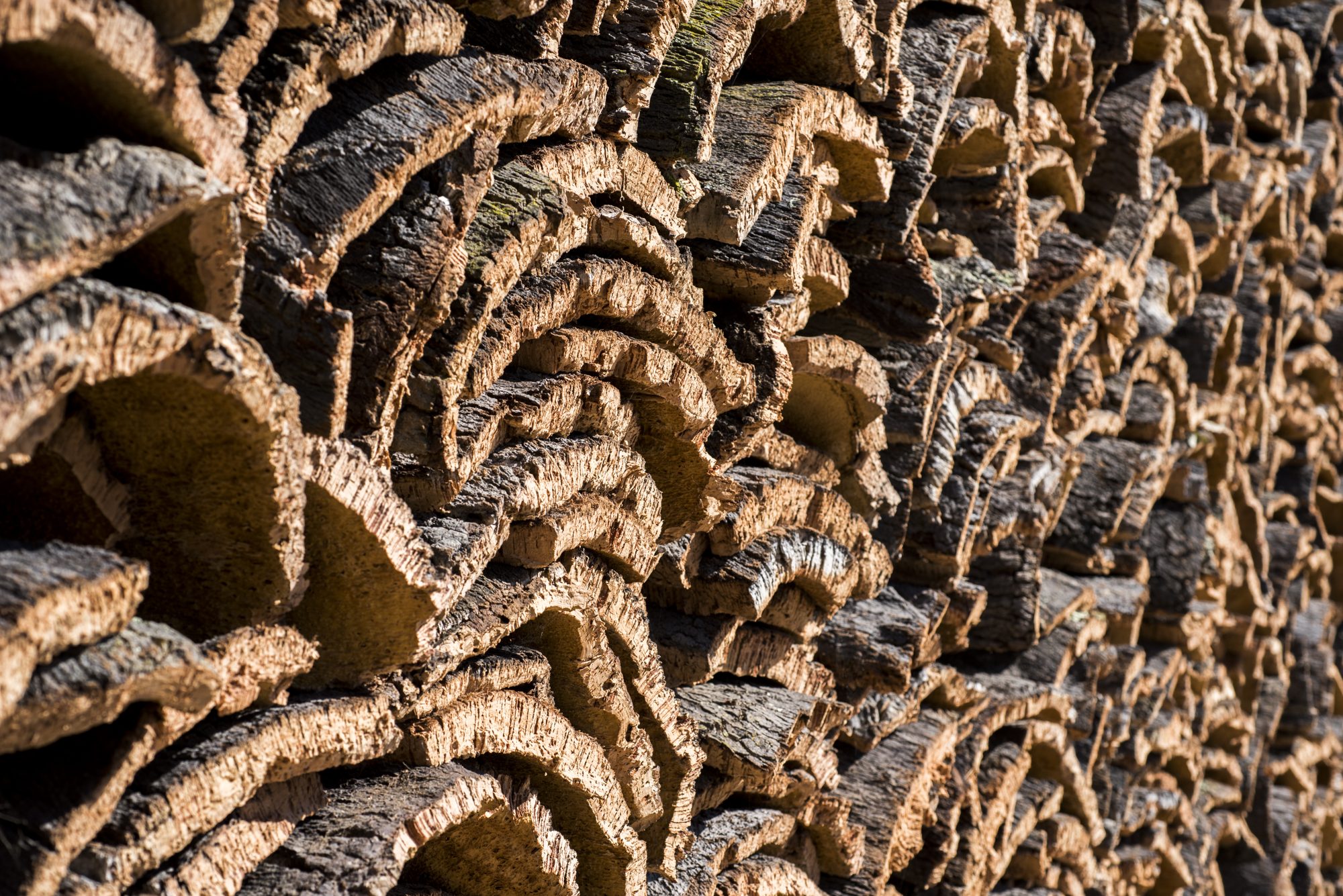
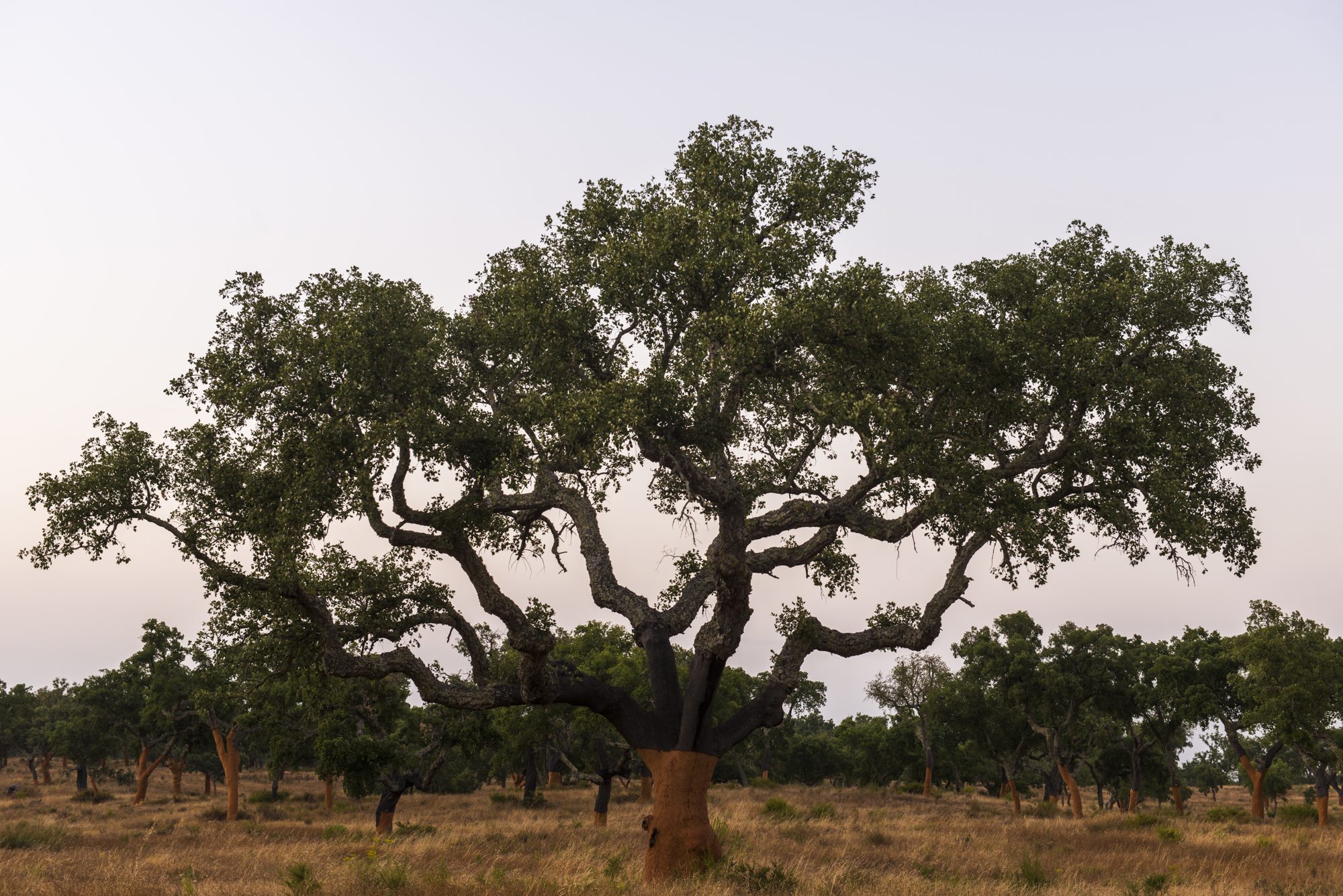
Since 1945, Sá Rosas has turned one of Portugal’s most extraordinary raw materials into precision components for demanding musical instruments. The cork is born in the montado, the Portuguese cork oak forest, passes through three generations and reaches each instrument with the same commitment: to keep in every sheet the rigour and consistency of the one before.
Paços de Brandão, Santa Maria da Feira, at the heart of the world’s leading cork cluster. Being in the cluster brings an advantage in raw material, know-how and reputation of origin.
In music, Sá Rosas wants to grow through product quality, not through price.
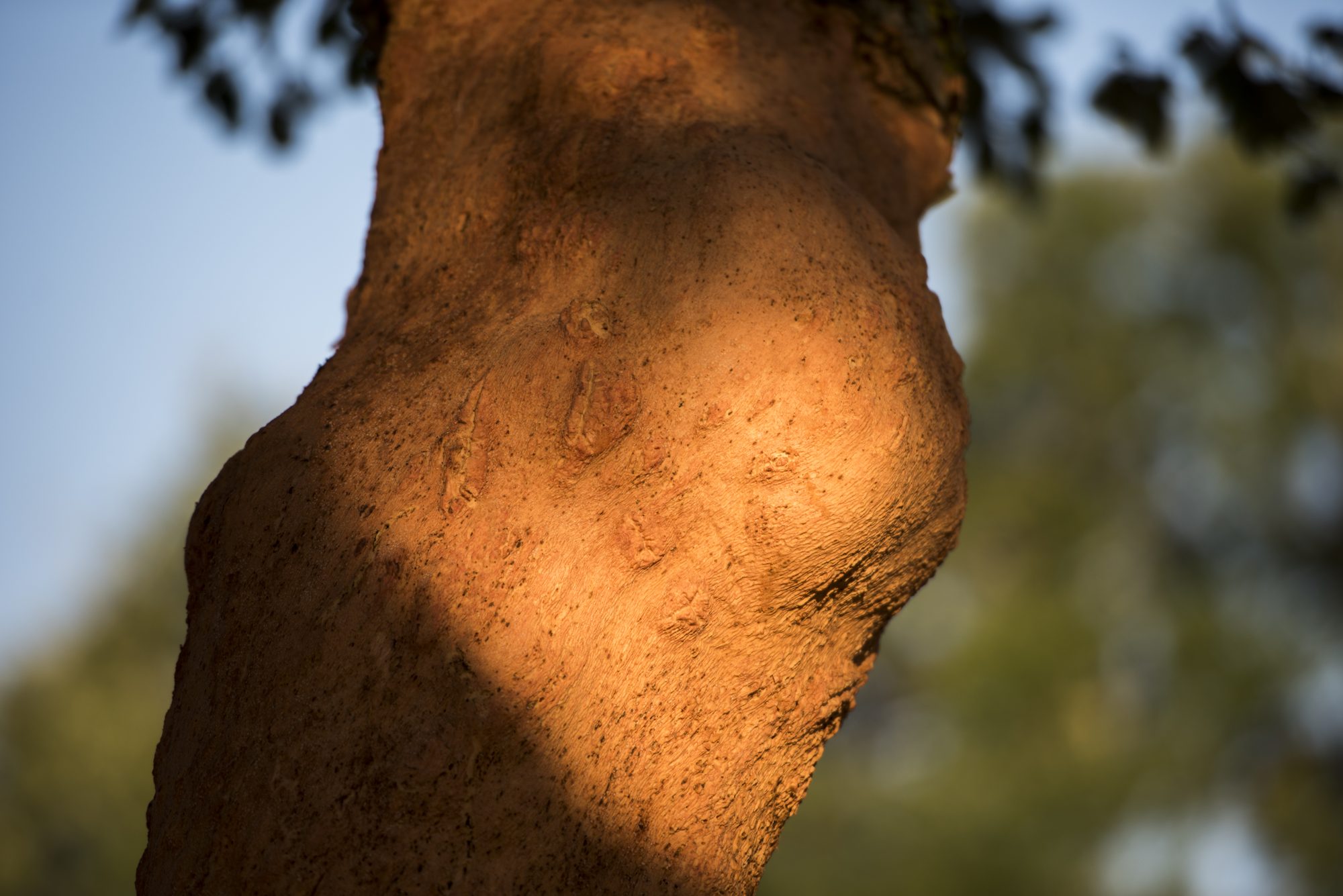
The montado and heritage
Portuguese origin
Portugal is the world leader in cork, with record exports of around 1.2 billion euros in 2023.

History
From 1850 to 2026
-
1850
Tradition and origin in the cork sector
The Veiga de Macedo family begins working in the cork market.
-
1915
Founding of Vieira Pinto & Rosas, the direct predecessor of Sá Rosas.
-
1925
First work with processed cork: an articulated bath mat. First steps in finished products.
-
1939
Joaquim Sá Rosas acquires 100% of the company from the Vieira Pinto family.
-
1945
Entry into the international music market
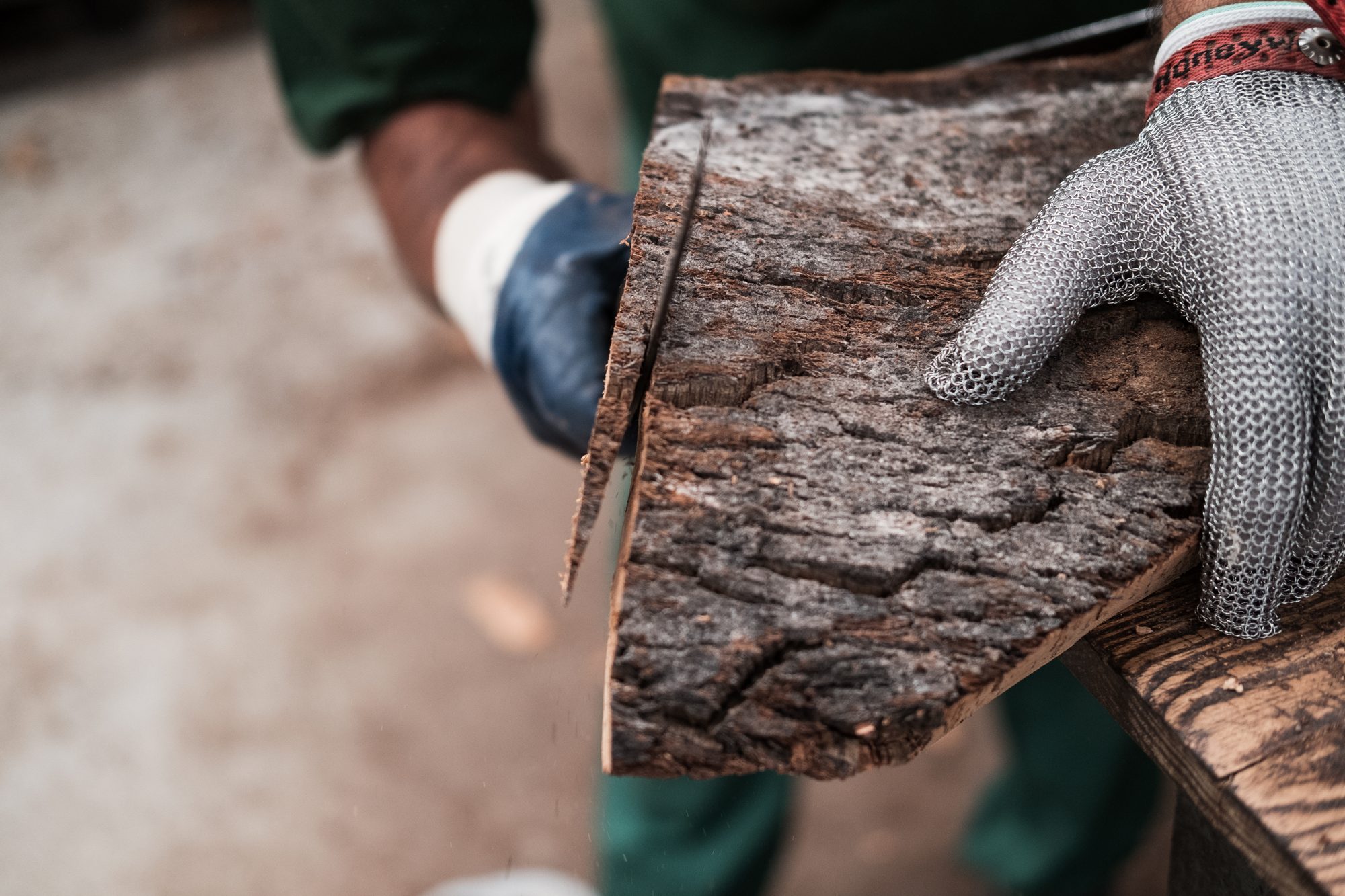
Slicing cork sheets for musical instrument makers begins. Immediate exports to France, Germany and the United Kingdom.
-
1950s
Production of cork granules. The first granule factory in northern Portugal.
-
1960–64
The company builds its own agglomeration presses for agglomerate blocks.
-
1975
A new generation and stronger specialisation
Sons Augusto and Joaquim Eduardo take over management. Growth in granules, musical sheets, orthopaedics and specialities.
-
1984
The Veiga de Macedo family returns with 90% of the capital. Full vertical integration: forest, stoppers, by-products, granules, musical cork sheets.
-
1987
Technical innovation with TeckCork
Acquisition of the ROTEX (United Kingdom), the first calibration equipment in the Portuguese cork sector. Production of TeckCork for musical instruments begins.
-
2000
The agglomerate line for footwear closes. Focus on higher-value specialities, including the music segment.
-
2026
From legacy to global scale
Over 200 references. Oboe cork pads, a new line of precision cork strips, new machinery and a new website.
Mission
“Being strong in order to be useful.”
Values
What the company believes in
Participative leadership
Decisions by the board, with active listening to employees.
Flexibility
Flexibility and openness to change.
Collaborative innovation
Good ideas are welcome, wherever they come from.
Respect and equality
No gender pay gap.
Transparency
Regular meetings to inform and listen.
People
The guardians of know-how
Specialist technicians and three generations in the same cork cluster. Know-how that is hard to replicate, passed on within the company.
Future
Innovation in 2026
Oboe cork pads
A new line, with investment in dedicated machinery.
Precision cork strips
New machinery for strips with ultra-tight tolerances.
Over 200 references
One of the most complete cork ranges for musical instruments.
Innovation and sustainability
Natural, renewable, recyclable
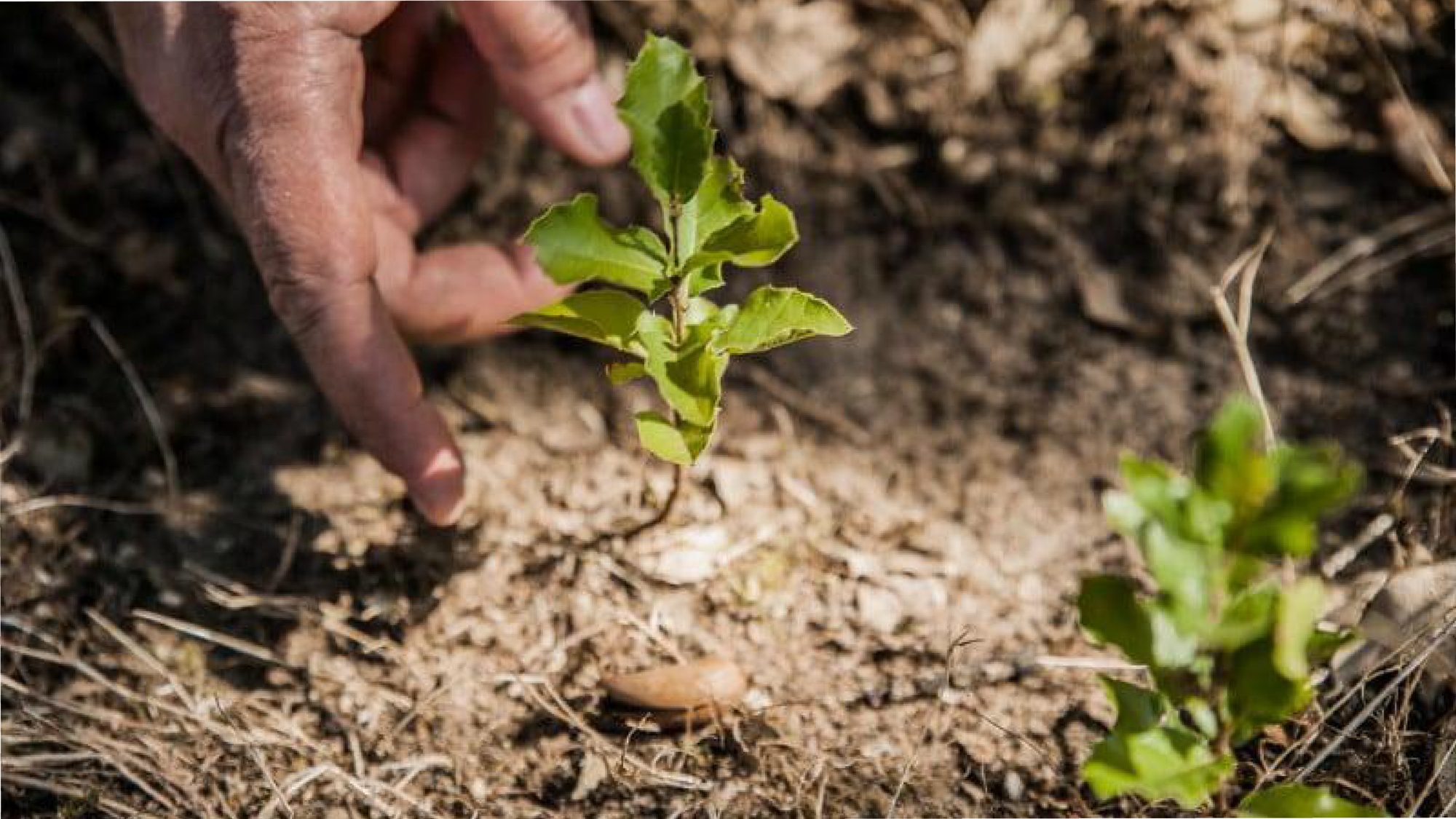
Portuguese cork is 100% natural, 100% renewable and 100% recyclable, with a negative carbon footprint. The montado sequesters 5.7 tonnes of CO₂ per hectare per year.
It is a natural, sustainable material with no CITES restrictions.